

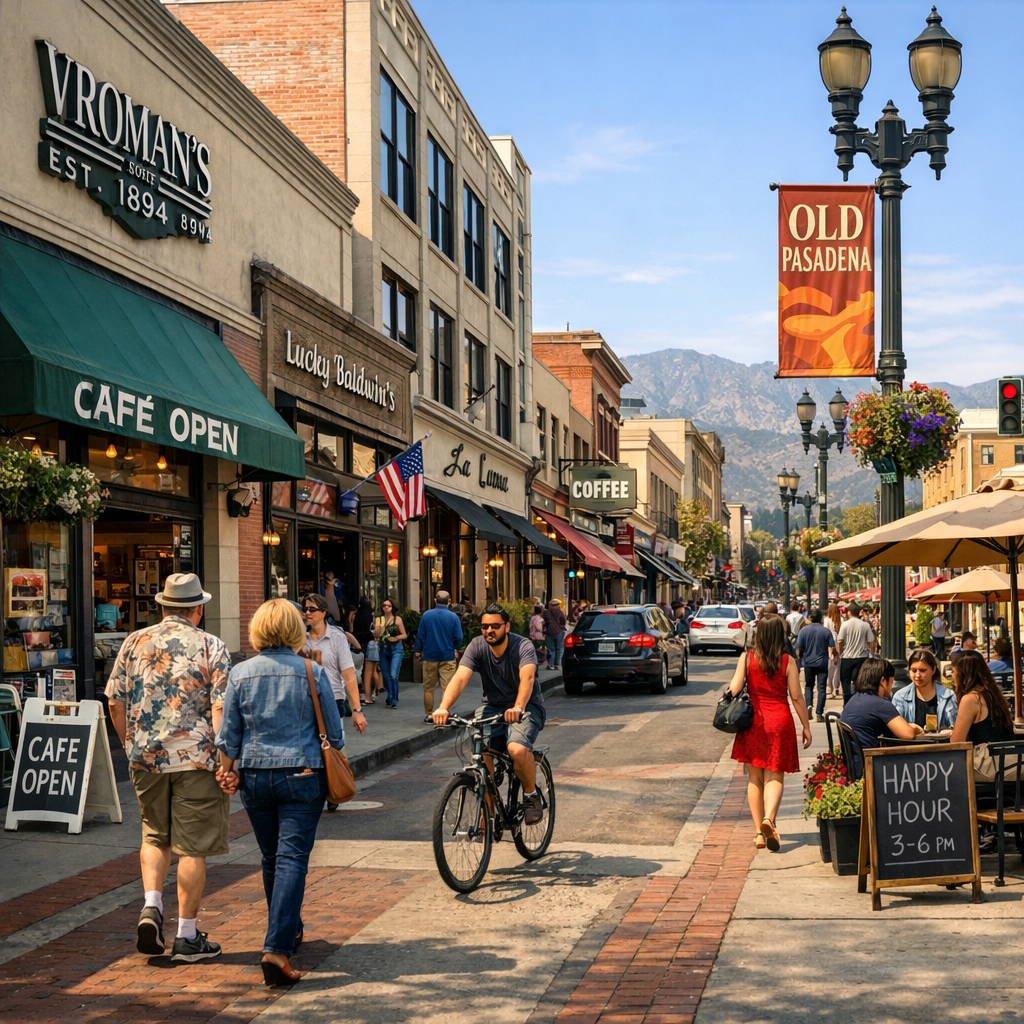
Pasadena, California, renowned for its rich history and vibrant culture, is also a dynamic economic hub. Understanding the city’s current economic trends is essential for residents, business owners, and potential investors alike.
Housing Market Dynamics
The housing market in Pasadena remains highly competitive. Over the three months ending May 2026, the median sale price of homes was $1.2 million, reflecting a slight decrease of 1.7% compared to the same period last year. Homes typically receive multiple offers and sell within approximately 32 days, indicating sustained demand despite minor price adjustments.
Income and Affordability
With a median household income of $105,192, Pasadena residents earn above the California median. However, affordability challenges persist. Approximately 44% of renters allocate more than half of their income to rent, classifying them as “severely cost-burdened” according to HUD standards.
Business Developments
Recent business activities highlight Pasadena’s economic vitality. The historic Chamber of Commerce Building at 117 East Colorado Boulevard was acquired by local investor Pete Kutzer and Edgewood Realty Partners. The 82,000-square-foot property, 84% leased at the time of sale, underscores investor confidence in Pasadena’s commercial real estate market.
Additionally, Mata Construction Services completed a 20,000-square-foot headquarters for Wedbush at the Pasarroyo office campus in the South Lake district. This development reflects ongoing investment in the city’s infrastructure and business environment.
City Financial Health
Pasadena’s financial outlook remains positive. The city’s general fund revenue increased to $365 million this fiscal year, a 6.8% rise from the previous year. City reserves have also reached historic levels, indicating robust fiscal management and resilience amid broader economic fluctuations.
In summary, Pasadena’s economic landscape is characterized by a competitive housing market, income disparities affecting affordability, and significant business investments. These factors collectively shape the city’s economic trajectory, offering both opportunities and challenges for its residents and stakeholders.